
Why this question matters
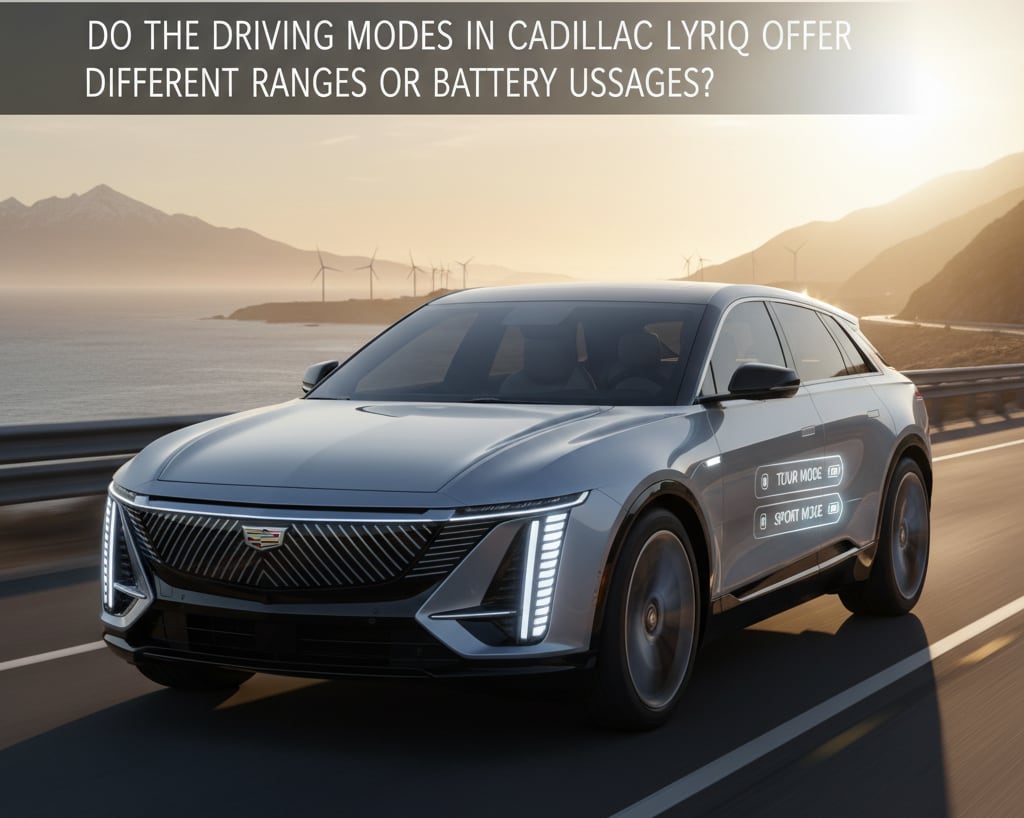
Electric vehicles invite a new kind of curiosity: not just how they feel on the road, but how each setting changes the way energy flows. If you’re wondering, do the driving modes in Cadillac LYRIQ offer different ranges or battery usages?, you’re asking something practical. You want to know whether Comfort (Tour) versus Sport meaningfully changes how far you can go on a charge, and what really moves the needle on efficiency day to day. This guide blends the real-world behaviors owners notice with what’s known from EV engineering: throttle maps, regenerative braking profiles, HVAC loads, tires and thermal management. The goal is a clear, human answer you can use on your next drive.
- Why this question matters
- What driving modes actually do
- How range is really determined
- How we framed a fair test
- Around-town behavior
- Highway behavior
- Regeneration and one-pedal nuances
- HVAC and preconditioning
- Tires, wheels, and rolling resistance
- Battery and thermal management
- Driving style beats driving mode
- When to use Comfort
- When to use Sport
- Seasonal guidance
- Owner scenarios and quick tips
- What the numbers tend to show
- Misconceptions to retire
- Safety and comfort still come first
- A simple way to test your LYRIQ
- The straightforward verdict
What driving modes actually do
In modern EVs like the Cadillac LYRIQ, driving modes primarily adjust how the car responds to you. Comfort (also called Tour) softens accelerator response, eases steering effort, and aims for a calm ride. Sport sharpens the pedal mapping and steering, and may allow more aggressive power delivery. Snow/Ice tames torque and traction control for slippery conditions. “My Mode” lets you personalize elements such as steering and pedal feel while keeping the rest as-is. Importantly, no mode changes the battery’s capacity or the official EPA range. What can change is how efficiently you use that energy: how often you spike acceleration, how you recover momentum with regen, and how the climate system behaves while you’re doing it.
How range is really determined
Range is a simple equation with many inputs. Speed is the big lever—air resistance rises quickly with highway pace, so an extra 10–15 mph can cost a surprising amount of energy. Temperature matters because heating or cooling the cabin and conditioning the battery draw power. Terrain and wind tilt the odds. Tire pressure and wheel size affect rolling resistance. Payload and roof racks add drag or weight. Finally, your right foot writes the story: steady inputs conserve energy; abrupt ones spend it. Driving modes interact with these factors by nudging driver behavior. A sharper pedal in Sport may tempt quicker bursts. A gentler map in Comfort naturally smooths things out. But a disciplined driver in Sport can still be frugal, and a hurried driver in Comfort can burn range with ease.
How we framed a fair test
To untangle feel from physics, the cleanest comparison is same route, same day, similar temperatures, equal tire pressures, and matched cabin settings. A simple protocol looks like this: choose a city loop (25–35 mph, frequent stops) and a highway loop (65–70 mph, light grades), start between 70–80% state of charge, precondition the cabin to a neutral setpoint, and run two back-to-back laps—one in Comfort, one in Sport—while keeping average speeds within a small band. Capture the LYRIQ’s trip computer data for efficiency (mi/kWh or kWh/100 mi), average speed, and note how much one‑pedal or high‑regen you used. Repeat on another day to smooth out wind or traffic quirks. You’re not chasing perfection; you’re comparing patterns.
Around-town behavior
In stop‑and‑go traffic, the LYRIQ’s smooth torque and strong regenerative braking do much of the efficiency work. Comfort’s softer pedal map helps many drivers meter power gently off the line, which reduces waste from jackrabbit starts. Sport feels livelier; you need less pedal travel to get the same response, which can lead to quicker bursts unless you consciously modulate. Regeneration—especially if you favor one‑pedal driving—captures some of what you spend, but not all. The more you avoid unnecessary braking by looking ahead and coasting into lights, the better your net energy picture. In typical city loops, expect small differences between Comfort and Sport when your style is steady: a low single‑digit percentage in energy consumption either way. The swing grows only when Sport encourages repeated hard launches.
Highway behavior
At steady highway speeds, aero drag dominates. The LYRIQ’s driving modes influence passing response more than cruising efficiency. Once you’re settled at, say, 68 mph, the energy draw is mostly a function of speed, wind, and grade. A quick merge or pass in Sport can cost a blip of extra power, but over a 30–50 mile highway stint with cruise control engaged, the mode itself is not a primary driver of range. If you find Sport’s sharper response nudges you to cruise a little faster, that change in speed—not the mode—will show up in your consumption.
Regeneration and one-pedal nuances
Regenerative braking turns motion back into electricity, and the LYRIQ offers strong regen with one‑pedal driving and paddle control. Stronger regen can help in city driving with frequent deceleration, but the most efficient move is still to avoid braking you didn’t need. One‑pedal mode shines when you anticipate traffic and lift early, letting the car decelerate smoothly without wasteful friction braking. Mode choice may slightly shift how the car blends regen based on throttle mapping, but your foot and the regen settings you choose have more influence. In short: set up regen to match your routes, and practice looking ahead; that’s worth more than flipping modes.
HVAC and preconditioning
Climate control is a quiet energy consumer that grows loud in extreme weather. In winter, resistive cabin heating draws significantly more power than seat and steering wheel heaters; in summer, the A/C’s compressor load rises with heat and sun load. The smartest move is preconditioning—warming or cooling the cabin while plugged in—so the battery handles less thermal work once you roll. Most driving modes don’t radically alter HVAC logic; comfort targets remain similar across modes. If you want a direct efficiency lever here, choose modest cabin setpoints and lean on seat heaters or ventilated seats to stay comfortable with less cabin load. That choice can shift range more than Comfort versus Sport ever will.
Tires, wheels, and rolling resistance
Wheel and tire choices have an outsized effect on EV range. Larger wheels and stickier tires look great and grip well, but they increase rolling resistance and rotational mass. If your LYRIQ is on bigger wheels, your baseline efficiency may be lower regardless of mode. Keep tire pressures at recommended levels; a few PSI low can cost meaningful energy. Sport mode’s feedback may encourage more spirited driving on twisty roads, which is fun and fair—but that behavior, not the setting, drives the consumption uptick.
Battery and thermal management
The LYRIQ’s battery management system works constantly to protect pack health and maintain performance. In cold weather, it warms the pack; in heat, it cools it. Those thermal tasks draw energy independent of whether you choose Comfort or Sport. During hard, repeated acceleration, the system may work a bit more to keep temperatures in check, but under normal driving the thermal profile is largely mode‑agnostic. This is why two LYRIQs on the same highway at the same speed return similar consumption regardless of mode, with bigger spreads emerging as temperature or speed diverge.
Driving style beats driving mode
The plain truth: your inputs matter more than the mode switch. Smooth starts, steady cruising, and early lifts preserve momentum. Planning lane changes to avoid unnecessary brakes and bursts adds up. A gentle driver in Sport will often match or beat an impatient driver in Comfort. If efficiency is your priority, think cadence more than settings: count to one before squeezing the pedal, leave a buffer for rolling decels, and let regen do quiet work. The LYRIQ’s instant torque makes calm feel quick anyway.
When to use Comfort
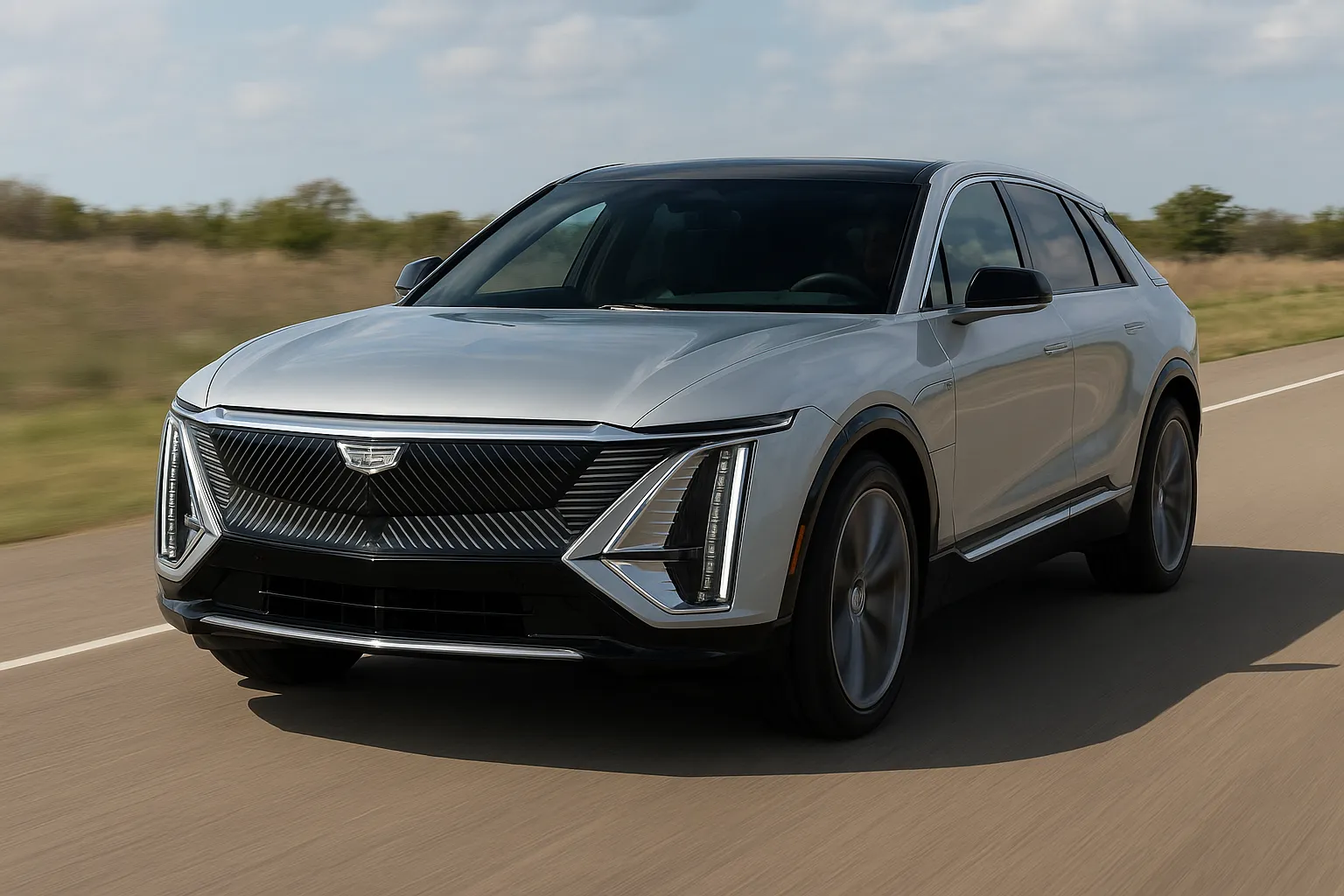
Comfort (or Tour) is a great default. It makes errands and commutes relaxed, helps smooth throttle application, and pairs naturally with one‑pedal driving. If you’re optimizing range in mixed city traffic, Comfort plus mindful inputs is the easiest path to good numbers. On longer suburban routes with varying speeds, the gentler mapping can keep you from over‑correcting, which shows up as lower consumption over time. It’s also the mode most passengers tend to prefer for ride feel and calm.
When to use Sport
Sport earns its name when you want crisp response—on‑ramps, quick passes, or curvy roads. The trade‑off comes from how you use it. Short, controlled bursts won’t crush range, but repeated hard acceleration will. A useful strategy is to toggle Sport for specific situations and return to Comfort for cruising. If your LYRIQ offers “My Mode,” you can tailor steering and pedal feel to a middle ground you like, keeping efficiency steady while enjoying a bit more precision.
Seasonal guidance
Winter narrows margins. Cold packs are less efficient, cabin heat is energy‑intensive, and regen may be limited until the battery warms. Precondition before you leave, use seat and wheel heaters to stay comfortable at a slightly lower cabin setpoint, and allow extra time for gentle driving until full regen returns. In snow or ice, use the LYRIQ’s dedicated traction mode; efficiency yields to stability by design, and that’s the right trade. Summer brings A/C load and heat management; pre‑cool in the shade while plugged in, vent the cabin before startup, and avoid extended high‑speed runs in extreme heat when possible if you’re protecting range.
Owner scenarios and quick tips
City commuter: Comfort mode, one‑pedal driving, look ahead and lift early. Keep tire pressures on point and lean on seat heaters in winter.
Highway cruiser: Either mode for cruise; set your speed a notch lower than habit and use adaptive cruise to smooth variations. Precondition in extreme temps.
Mountain trips: Use Sport for precise control on grades and switch to stronger regen on descents to recapture energy, but avoid riding the accelerator and regen repeatedly—smooth, steady inputs win.
Cold‑climate owner: Precondition daily, store the car plugged in when possible, and expect modestly higher consumption in deep winter regardless of mode.
Hot‑climate owner: Pre‑cool, park in shade, use ventilated seats when equipped, and keep speeds reasonable; aero drag plus A/C can stack up at high speeds.
What the numbers tend to show
Across balanced tests and owner reports in similar EVs, the efficiency gap between Comfort and Sport in everyday driving is usually modest. Around town with a mindful foot, the difference often sits in the low single digits. If Sport encourages lively starts at each light, you can see a larger spread. On highways, mode choice matters much less than speed and wind. The big movers are simple: pace, temperature, tires, and HVAC. That is why two drivers in the same LYRIQ, same route, same day, can end with different results—style is the hidden variable.
Misconceptions to retire
“Sport mode automatically cuts your range.” Not by itself. It changes response, and your reactions to that change set the outcome. “Regen always saves energy.” Regen recovers some energy you already spent; anticipating and avoiding unnecessary braking saves more. “EPA range is what you’ll always get.” It’s a standardized lab benchmark. Real life—speed, weather, terrain—moves the number up or down.
Safety and comfort still come first
Modes like Snow/Ice prioritize traction and stability. If the road is slick, take the help and don’t worry about the small efficiency cost. In daily driving, pick the mode that keeps you calm and attentive. A relaxed driver makes smoother choices, and smoother choices are efficient choices. Passenger comfort matters, too; if your family rides easier in Comfort with a gentler feel, that’s a win worth a percent or two of energy.
A simple way to test your LYRIQ
If you want your own answer, try this for a week. Run the same commute in Comfort for three days, note mi/kWh, average speed, temperature, and your cabin setting. Then repeat in Sport with an eye toward smoothness. At the end, compare the numbers and how each day felt. The pattern will tell you more about your habits and routes than any spec sheet. Keep whatever mode makes you the best version of yourself behind the wheel.
The straightforward verdict
So, do the driving modes in Cadillac LYRIQ offer different ranges or battery usages? Indirectly, yes—by influencing how you drive and, in specific cases, how the car meters response. But the mode switch does not change battery capacity, and it doesn’t rewrite physics. Speed, temperature, tires, and HVAC are the big levers. Comfort helps many drivers settle into efficient rhythms. Sport makes the car feel alert and can be used sparingly without penalty. Choose with intention, keep your inputs smooth, and you’ll see consistent, satisfying range no matter which label the screen shows.
FAQs
Do the driving modes change the battery’s capacity or EPA range?
No. Modes adjust response and feel, not the battery’s capacity or the official rating. Efficiency changes come from how the mode shapes your driving.
Will Sport mode always lower my range?
Not necessarily. If you drive smoothly, the difference is small. Frequent hard acceleration in Sport can raise consumption; measured inputs keep it close to Comfort.
Which mode is best for city driving?
Comfort pairs well with one‑pedal driving and gentle starts, which supports good efficiency in stop‑and‑go traffic. Many drivers find it easiest to be smooth in Comfort.
What matters most for highway range?
Speed. Holding a slightly lower, steady pace has a bigger impact than mode choice. Wind, temperature, and tire setup also play major roles.
How can I improve range regardless of mode?
Precondition in extreme temps, maintain tire pressures, use seat heaters or ventilation to ease HVAC load, anticipate traffic, and keep inputs steady.